
Cận thị: Nguyên nhân, tiến triển và cách điều trị
Cận thị là một tật khúc xạ gây ra tình trạng nhìn xa mờ. Đây là nguyên nhân phổ biến nhất gây suy giảm thị lực ở những người dưới 40 tuổi. Cận thị thường bắt…

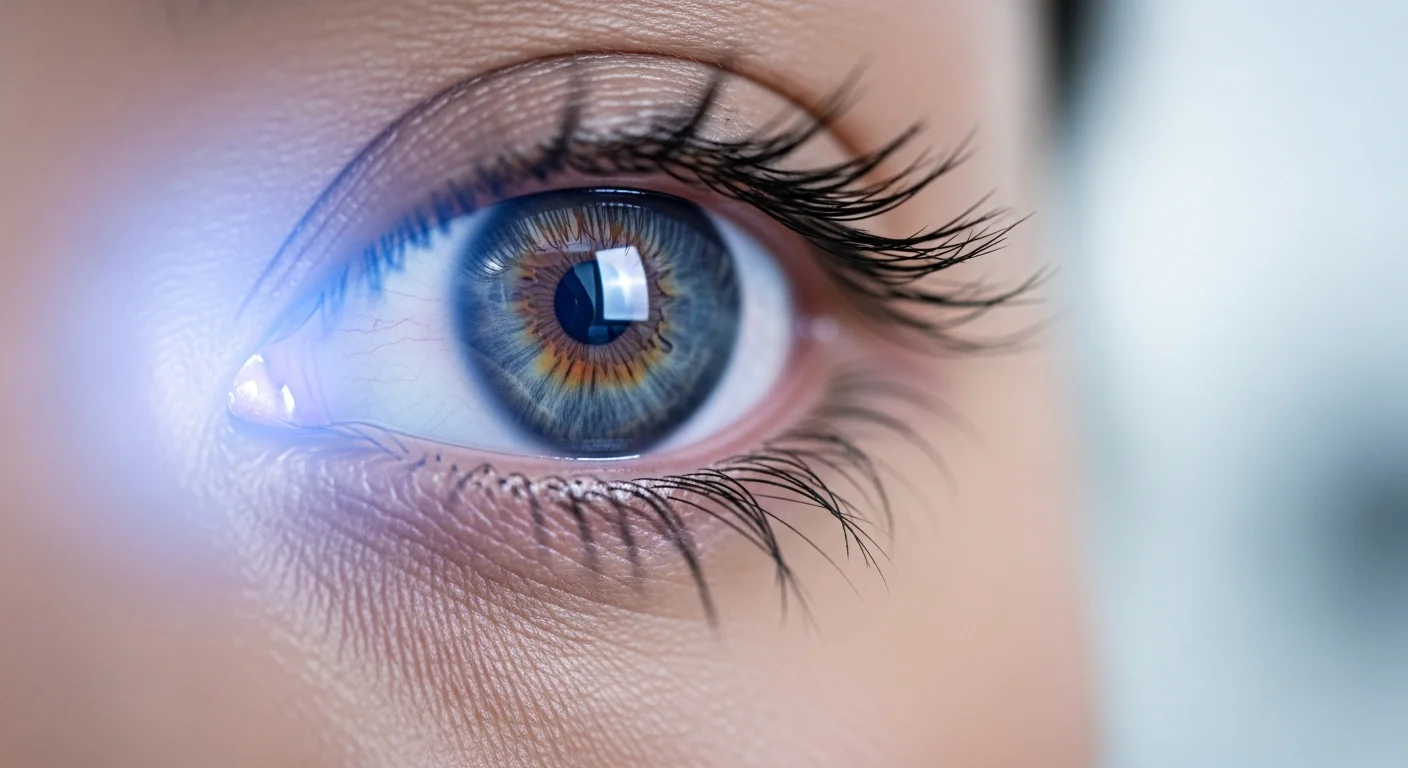
Cận thị là gì?
Cận thị là một tật khúc xạ gây ra tình trạng nhìn xa mờ. Đây là nguyên nhân phổ biến nhất gây suy giảm thị lực ở những người dưới 40 tuổi. Cận thị thường bắt đầu từ thời thơ ấu, nhưng có thể tiếp tục trở nên tồi tệ hơn vào đầu tuổi trưởng thành. Đây được gọi là tiến triển cận thị.
Gần một nửa số trẻ em bị cận thị tiến triển đạt được đơn thuốc ổn định vào độ tuổi 15. Khoảng ba phần tư ổn định vào độ tuổi 18 và hầu hết ổn định vào độ tuổi 24. Tuy nhiên, cận thị có thể tiến triển nhanh chóng thành cận thị nặng nếu không được quản lý đúng cách. Cận thị nặng có thể dẫn đến các biến chứng đe dọa thị lực ở tuổi trưởng thành.
Số lượng người bị cận thị đang tăng với tốc độ đáng báo động. Vào năm 2000, khoảng 25% dân số thế giới bị cận thị. Nghiên cứu cho thấy đến năm 2050, khoảng một nửa dân số thế giới sẽ bị cận thị.
Nguyên nhân nào gây ra cận thị?
Cận thị xảy ra khi mắt tập trung các tia sáng ở phía trước võng mạc , thay vì trên võng mạc. Điều này làm cho các vật ở xa trông mờ.
Một số yếu tố khác nhau góp phần giúp ánh sáng tập trung đúng vào võng mạc:
-
Chiều dài của mắt từ trước ra sau
-
Hình dạng của giác mạc và thủy tinh thể
-
Vị trí của thấu kính và giác mạc so với nhau bên trong mắt
Những thay đổi nhỏ ở bất kỳ yếu tố nào trong số này cũng có thể gây ra cận thị .
Sự đồng dạng hóa
Trong những năm đầu đời, mắt trẻ em phát triển và phát triển nhanh chóng. Trong thời gian này, hình dạng của giác mạc và thủy tinh thể cùng chiều dài của mắt cân bằng để tạo ra thị lực rõ nét.
Quá trình này được gọi là emmetropization . Khi không có lỗi khúc xạ ở mắt, thì đây được gọi là emmetropia .
Hầu hết trẻ em sinh ra đều bị viễn thị (viễn thị) . Điều này là do mắt vẫn còn quá ngắn từ trước ra sau khi sinh.
Khi trẻ lớn lên, quá trình cận thị hóa tiếp tục cho đến khi trẻ được khoảng 6 đến 8 tuổi. Vào thời điểm này, hầu hết trẻ em đều bị viễn thị thấp và chỉ một tỷ lệ nhỏ bị cận thị.
Sự phát triển và tiến triển của cận thị
Trong một số trường hợp, quá trình này vẫn tiếp tục. Khi điều này xảy ra, mắt phát triển vượt qua tình trạng cận thị và hướng tới cận thị. Nhãn cầu có thể trở nên quá dài hoặc độ cong của giác mạc hoặc thủy tinh thể có thể trở nên quá dốc. Trong những trường hợp hiếm hoi, thủy tinh thể có thể di chuyển quá gần giác mạc.
Những năm đỉnh điểm của sự tiến triển cận thị thường là ở thời thơ ấu. Sự phát triển và tiến triển của cận thị ở độ tuổi này chịu ảnh hưởng của một số yếu tố, bao gồm:
-
Di truyền học
-
Thời gian ở ngoài trời
-
Các hoạt động gần công việc (như đọc sách và thời gian sử dụng màn hình kỹ thuật số)
Một người có thể có nguy cơ cận thị cao gấp ba lần nếu một trong hai cha mẹ của họ bị cận thị. Họ có thể có nguy cơ cao gấp sáu lần nếu cả hai cha mẹ đều bị cận thị.
Nhưng các nghiên cứu gần đây cho thấy bằng chứng mạnh mẽ rằng các yếu tố lối sống cũng có thể gây ra cận thị. Ví dụ, làm việc gần trong thời gian dài có liên quan đến khả năng bị cận thị cao hơn. Và dành nhiều thời gian ở ngoài trời hơn có thể trì hoãn sự khởi phát của cận thị.
Các loại cận thị
Cận thị thường được chia thành hai loại tùy thuộc vào nguyên nhân gây ra: `
-
Cận thị trục là do nhãn cầu quá dài từ trước ra sau (chiều dài trục). Đây là nguyên nhân phổ biến nhất gây cận thị, đặc biệt là ở trẻ em.
-
Cận thị khúc xạ có thể xảy ra nếu giác mạc hoặc thủy tinh thể quá cong. Nó cũng có thể xảy ra nếu thủy tinh thể nằm quá gần giác mạc, nhưng trường hợp này rất hiếm.
Một số người có thể bị kết hợp cả cận thị trục và cận thị khúc xạ.
Triệu chứng cận thị
Các triệu chứng khác của cận thị bao gồm:

-
Nheo mắt (nhắm mắt một phần)
-
Cần phải di chuyển lại gần hơn để nhìn rõ các vật thể
-
Gặp khó khăn với các hoạt động đòi hỏi tầm nhìn xa tốt, như lái xe hoặc chơi thể thao
-
Đau đầu
-
Mỏi mắt
Nếu bạn gặp phải những triệu chứng này khi đeo kính hoặc kính áp tròng, hãy lên lịch khám mắt với bác sĩ nhãn khoa . Bạn có thể cần đơn thuốc mạnh hơn.
Quản lý cận thị
Quản lý cận thị bao gồm tất cả các khía cạnh chăm sóc mắt mà người bị cận thị có thể cần. Mục đích là để điều chỉnh thị lực mờ, kiểm soát sự tiến triển của cận thị và giảm nguy cơ biến chứng do cận thị nặng. Quản lý cận thị bao gồm:
-
Phát hiện và chẩn đoán sớm .
-
Điều chỉnh và kiểm soát cận thị kịp thời .
-
Các biện pháp thực hành tại nhà như quy tắc 20-20-20 và hạn chế thời gian sử dụng màn hình .
-
Giải quyết mọi biến chứng liên quan đến cận thị.
Phát hiện và chẩn đoán cận thị
Phát hiện và can thiệp sớm cận thị là chìa khóa để làm chậm quá trình tiến triển của cận thị. Nhưng nhiều trẻ bị cận thị sẽ không có dấu hiệu rõ ràng và không phàn nàn về các triệu chứng. Nếu tầm nhìn xa của trẻ luôn bị mờ, trẻ có thể không nhận ra rằng bất kỳ ai khác đều rõ hơn.
-
Khám mắt lần đầu tiên lúc 6 tháng tuổi
-
Một người khác ở độ tuổi từ 3 đến 5
-
Một cái khác trước lớp một
-
Hàng năm trong suốt thời gian học
Trẻ em có tiền sử cận thị hoặc đã bị cận thị có thể cần khám mắt thường xuyên hơn.
Nếu bạn hoặc con bạn cần đeo kính điều chỉnh, bác sĩ nhãn khoa sẽ cho bạn biết độ điều chỉnh mà bạn cần. Đơn thuốc cho bệnh cận thị được viết dưới dạng dấu trừ (-) trước một con số. Con số càng cao thì cận thị càng nặng.
Cận thị thấp dao động từ -0,50 đến -5,75 và cận thị cao là -6,00 hoặc lớn hơn. Cận thị cao là mối quan tâm vì nó có thể dẫn đến các biến chứng nghiêm trọng. Các biến chứng liên quan đến cận thị cao bao gồm:
-
Đục thủy tinh thể dưới bao sau
-
Bệnh tăng nhãn áp
-
Thoái hóa điểm vàng cận thị
-
bong võng mạc
Nếu bạn có nguy cơ bị cận thị cao, bác sĩ nhãn khoa sẽ thảo luận vấn đề này với bạn. Họ cũng sẽ kiểm tra các biến chứng liên quan đến cận thị cao trong quá trình khám của bạn.
Người lớn và trẻ em được chẩn đoán mắc chứng cận thị cần phải khám mắt thường xuyên để kiểm tra mức độ cận thị của mình. Nếu cận thị đang tiến triển, các biện pháp can thiệp sớm là rất quan trọng. Điều rất quan trọng là làm chậm quá trình tiến triển của cận thị trước khi cận thị nặng phát triển.
Chỉnh cận thị
Có thể điều chỉnh cận thị bằng phương pháp quang học hoặc phẫu thuật. Phương pháp quang học bao gồm kính thuốc theo toa tiêu chuẩn hoặc kính áp tròng . Phương pháp phẫu thuật bao gồm phẫu thuật khúc xạ .
Một số người cận thị cần phải đeo kính hoặc kính áp tròng mọi lúc. Những người khác có thể chỉ đeo chúng cho những nhiệm vụ cụ thể, chẳng hạn như lái xe hoặc nhìn bảng đen.
Sau khi khám mắt, bác sĩ nhãn khoa sẽ trao đổi với bạn về lượng chỉnh sửa chính xác mà bạn cần. Họ cũng sẽ cho bạn biết tần suất bạn phải đeo kính điều chỉnh.
Phẫu thuật khúc xạ có thể làm giảm hoặc thậm chí loại bỏ nhu cầu đeo kính hoặc kính áp tròng. Tuy nhiên, đây không phải là lựa chọn để điều chỉnh cho đến khi đơn thuốc cận thị của một người ổn định. Một số phẫu thuật khúc xạ phổ biến hơn bao gồm:
-
PRK
-
LASIK
-
Thấu kính cấy ghép được gọi là IOL phakic
Kiểm soát cận thị
Ngày càng có nhiều người bị cận thị. Điều này có nghĩa là có rất nhiều sự quan tâm trong việc tìm cách kiểm soát sự tiến triển của cận thị ở trẻ em. Điều này đặc biệt quan trọng vì cận thị cao có thể dẫn đến các biến chứng nghiêm trọng về thị lực.
Nghiên cứu gần đây cho thấy đeo kính áp tròng được thiết kế đặc biệt có thể làm chậm quá trình tiến triển cận thị. Có bằng chứng cho thấy những loại kính này có thể làm chậm quá trình kéo dài trục của mắt. Nói cách khác, chúng có thể làm chậm tốc độ mắt dài ra.
Đối với trẻ em bị cận thị tiến triển, các phương pháp kiểm soát cận thị hiệu quả bao gồm:
-
Kính kiểm soát cận thị – Một số loại kính hai tròng, đa tròng (PAL) và các loại kính được thiết kế đặc biệt khác có thể làm chậm quá trình tiến triển của cận thị.
-
Kính áp tròng kiểm soát cận thị – Kính áp tròng mềm đa tiêu cự và chỉnh hình giác mạc đều cho thấy hiệu quả trong việc làm chậm quá trình tiến triển của cận thị. Kính áp tròng mềm đa tiêu cự ban đầu được thiết kế cho những người bị lão thị. Các thiết kế mới hơn của loại kính này đang được sử dụng để kiểm soát cận thị, với kết quả tốt. Chỉnh hình giác mạc còn được gọi là liệu pháp định hình lại giác mạc. Kính áp tròng cứng thấm khí (RGP) đặc biệt được đeo qua đêm để định hình lại giác mạc tạm thời trong khi ngủ. Điều này giúp nhìn rõ vào ban ngày mà không cần đeo kính hoặc kính áp tròng. Các nghiên cứu cho thấy chỉnh hình giác mạc cũng có thể có hiệu quả trong việc làm giảm quá trình tiến triển của cận thị.
-
Thuốc nhỏ mắt atropine – Các bác sĩ nhãn khoa đã sử dụng thuốc nhỏ mắt atropine để giúp kiểm soát cận thị trong một thời gian rất dài. Nhưng nồng độ atropine cao trong thuốc nhỏ mắt có xu hướng gây ra các tác dụng phụ như nhạy cảm với ánh sáng và đau đầu. May mắn thay, thuốc nhỏ mắt atropine liều thấp cũng có thể làm chậm quá trình tiến triển cận thị ở trẻ em. Liều thấp hơn có thể làm chậm quá trình tiến triển với tốc độ tương tự như liều cao hơn với ít tác dụng phụ hơn đáng kể. Tuy nhiên, một số trẻ không đáp ứng tốt với thuốc nhỏ mắt atropine.
-
Các yếu tố về lối sống – Nghiên cứu cho thấy dành ít nhất 90 phút mỗi ngày ở ngoài trời giúp giảm nguy cơ mắc cận thị. Cha mẹ cũng nên khuyến khích trẻ nghỉ giải lao thường xuyên khi đọc sách hoặc sử dụng màn hình ngoài giờ học ở trường. Mối quan hệ chính xác giữa công việc gần và cận thị vẫn chưa được biết rõ. Nhưng một số nghiên cứu cho thấy rằng công việc gần kéo dài có thể là yếu tố nguy cơ dẫn đến sự phát triển và tiến triển của cận thị. Thói quen cầm sách, màn hình và các công việc gần khác quá gần mắt cũng có thể là một yếu tố.
Các chiến lược kiểm soát cận thị có thể được sử dụng riêng lẻ hoặc kết hợp. Bác sĩ nhãn khoa có thể cho bạn biết phương pháp nào sẽ có tác dụng lớn nhất đến sự tiến triển của cận thị.
Khi nào nên đi khám mắt để phát hiện cận thị
Tất cả trẻ em nên được khám mắt thường xuyên , bắt đầu từ khi trẻ được khoảng 6 tháng tuổi. Điều này rất quan trọng ngay cả khi không có triệu chứng cận thị hoặc các vấn đề về mắt khác.
Điều quan trọng cần nhớ là can thiệp sớm là rất quan trọng. Trẻ em bắt đầu các chiến lược kiểm soát cận thị càng sớm thì tác động càng tốt. Làm chậm quá trình tiến triển cận thị là chìa khóa để giảm nguy cơ biến chứng đe dọa thị lực ở tuổi trưởng thành.
Để lại bình luận
Lưu ý: Bình luận của bạn sẽ được kiểm duyệt trước khi hiển thị. Vui lòng giữ nội dung lịch sự và phù hợp.