
Hướng dẫn đọc hiểu kết quả đo mắt (thiết bị Phoroptor® NIDEK RT-6100)
Trang bị các kiến thức cơ bản để có thể tự đọc hiểu kết quả đo mắt cho chính mình là điều cần thiết cho bất kì ai. Đặc biệt là người có bệnh lí về mắt như: cận…

Cách đơn giản để đọc hiểu kết quả đo mắt cho chính mình
Trang bị các kiến thức cơ bản để có thể tự đọc hiểu kết quả đo mắt cho chính mình là điều cần thiết cho bất kì ai. Đặc biệt là người có bệnh lí về mắt như: cận thị, viễn thị, loạn thị… Ở bài viết này, chúng tôi sẽ giúp bạn có kiến thức cơ bản nhất để bạn tham khảo.
Đọc hiểu kết quả đo mắt thực ra không hề khó!
Thế nên, đọc hiểu kết quả đo mắt là điều bạn nên trang bị. Để có thể tự đọc cho mình ở những lần khám mắt sau. Thông thường, bất kì ai đi đo mắt đều được liệt kê vào dạng bị tật khúc xạ mắt. Hiểu đơn giản là mắt có vấn đề và không thể nhìn tinh anh như mắt thường.
Đầu tiên, nếu mắt bạn bị cận thị thì kết quả đo mắt của bạn sẽ có kí hiệu dấu “-” Mắt viễn thị thì thay bằng dấu “+” . Dấu “-” và dấu “+ ” nghĩa là biểu thị cho kính cầu lồi và kính cầu lõm mà bạn sẽ được cắt kính và đeo sau đó để mắt nhìn tốt. Khác với cận thị và viễn thị kí hiệu bằng SD. Thì loạn thị được nhận diện sau kí hiệu của chữ DC.
Ở bất kì cơ sở đo mắt nào thì các nhân viên đo hay bác sĩ sẽ ghi thông số cho mắt phải trước tiên. Mắt phải và trái có quy ước chung để nhận diện. Cụ thể là:
- Kết quả đo của mắt phải được viết sau chữ “Phải” hoặc sau kí hiệu “O.D” hoặc là kí hiệu “R”.
- Kết quả đo cho mắt trái viết sau chữ “Trái” hoặc viết sau kí hiệu “O.S” hoặc kí hiệu “L”.
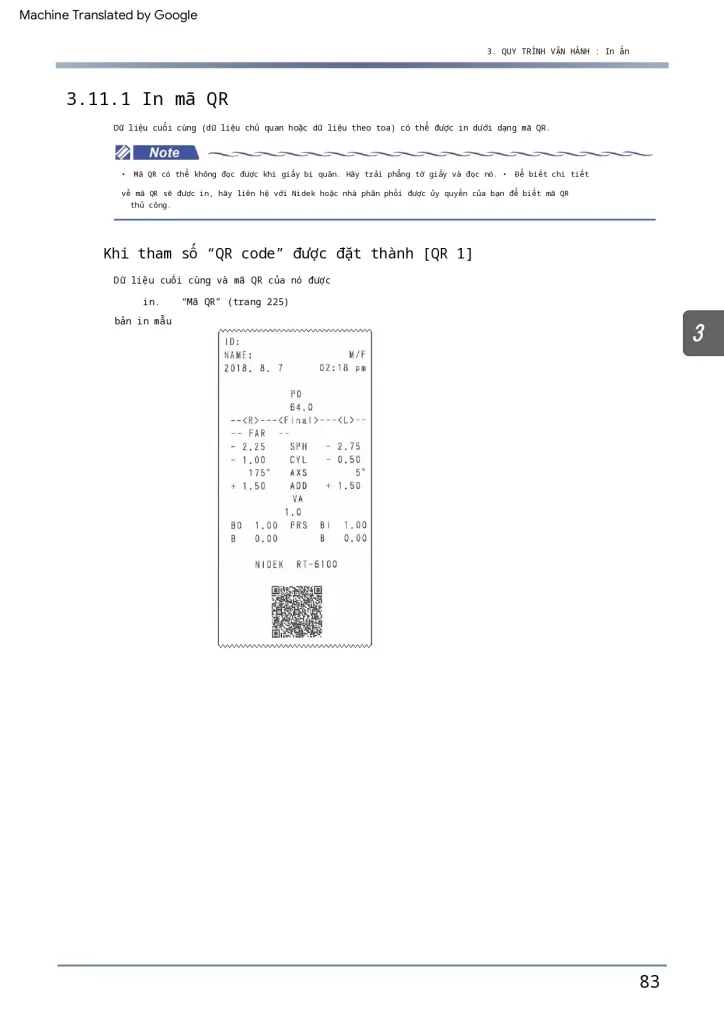
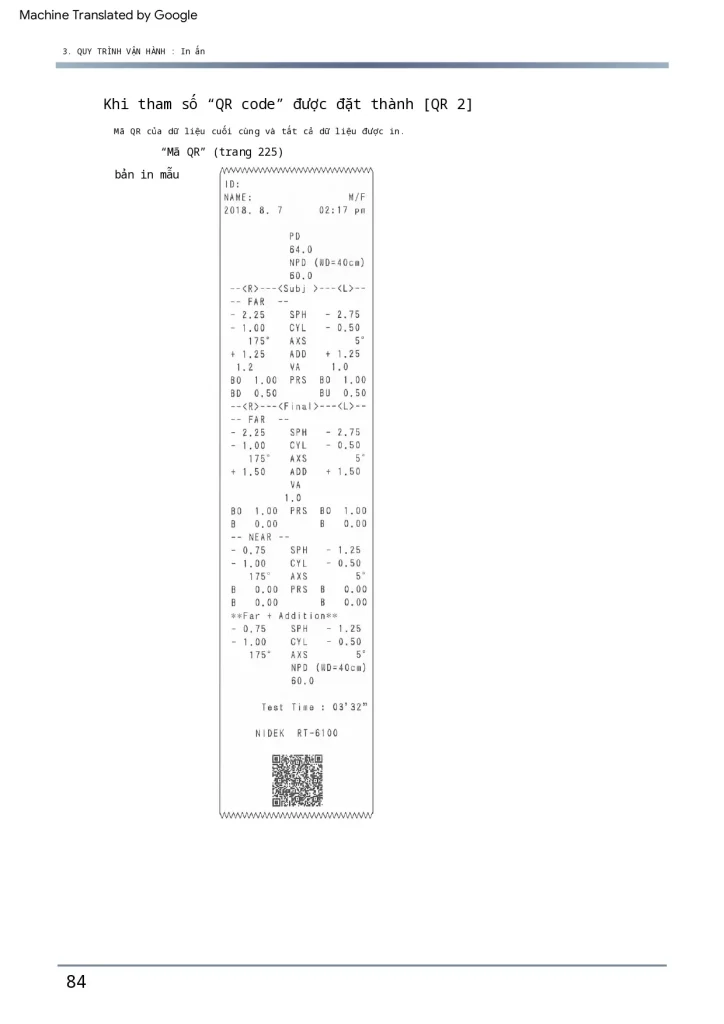
- Cầu (SPH): độ Cận dấu trừ (-) ; độ Viễn dấu cộng (+).
- Trụ (CYL): độ Loạn dấu trừ (-).
- Trục (AXIS): trục của độ Loạn, chỉ khi bị Loạn mới có chỉ số này.
- Cộng thêm (ADD): thị lực nhìn gần (bằng thị lực nhìn xa cộng thêm). Chỉ số này có đối với lão thị.
- KCĐT (khoảng cách đồng tử): chỉ số này cũng rất quan trọng khi cắt kính. Khi có sự đồng tâm giữa đồng tử và tâm của tròng kính cắt ra thì sẽ cho thị lực rõ ràng nhất. Khi bị lệch tâm sẽ gây ra hiện tượng méo hình ảnh và không rõ ràng....
Quy trình đo mắt


Đánh giá bệnh sử giúp bạn hiểu rõ về vấn đề mà mắt đang gặp phải và nhận tư vấn tận tình của chuyên viên. Quá trình này diễn ra khoảng 5 phút tùy vào từng đối tượng, đo trực tiếp 1-1 với kỹ thuật viên tại phòng đo mắt riêng tư giúp khách hàng thoải mái hơn trong việc chia sẻ và giải đáp. Kính Mắt Điện Biên Phủ rất cẩn trọng trong việc đánh giá sức khỏe đôi mắt của bệnh nhân. Chúng tôi thực hiện điều đó bằng việc thăm hỏi và phân tích bệnh sử một cách kỹ càng ở bước ghi nhận đầu tiên.

Với công nghệ Powermap® Wavefront được cấp bằng sáng chế của chúng tôi, VX110 không chỉ có thể đo quang sai bậc cao và bậc thấp mà khi kết hợp với công nghệ mô phỏng thị lực của bệnh nhân, bạn có thể cho họ thấy chính xác mức độ thị lực của họ có thể điều chỉnh được bằng kính ….
Chúng tôi tiến hành nhập giữ liệu từ máy đo khúc xạ khách quan Visionix VX110 và máy đo tròng kính Nidek LM1800 pd vào máy đo Nidek RT6100 . Và Khoảng cách đồng tử (khoảng cách tâm của hai con người) phải trùng khớp với tâm của tròng kính để đảm bảo ánh sáng đi qua hội tụ đúng võng mạc, giúp hình ảnh qua mắt rõ ràng và sắc nét. Chính vì vậy, bước đo đồng tử được thêm vào các bước đo mắt cận quan trọng để giảm thiểu tình trạng khó thích nghi (chóng mặt, tầm nhìn méo mó) khi khách hàng sử dụng kính mới . Bước này để chuẩn bị cho bước đo khúc xạ chủ quan bằng thiết bị tối tân RT6100
Với người chính thị thị lực sẽ là 10/10 khi không mang kính còn lại dưới 8/10 và có các dấu hiệu sau đây cần kiểm tra bước tiếp theo 1. Nhìn mờ, nhòe: Là dấu hiệu cho biết bạn nên đo mắt ngay lập tức. Điều này có thể báo hiệu sự suy giảm liên quan đến thị giác. Một nguyên nhân phổ biến gây ra nhòe mờ là chứng rối loạn khúc xạ. 2. Nheo mắt để nhìn rõ hơn: Người có vấn đề thị lực luôn phải nheo mắt để nhìn rõ hơn. Hình ảnh bị phân tán không đều khi đi vào võng mạc. Lúc này bạn phải nheo mắt để giảm diện tích hình ảnh đi vào, giúp tập trung đúng điểm nhìn rõ nét. 3. Khó nhìn vào ban đêm: Là dấu hiệu của nhiều vấn đề về thị giác. Khi trời tối, ánh sáng giảm và đồng thời gây ra khó khăn trong việc phân biệt chi tiết của vật thể. 4. Mắt nhạy cảm với ánh sáng: Là dấu hiệu cho biết bạn nên đo mắt ngay lập tức. Cho dù đo mắt miễn phí hay trả phí, thì bạn cũng nên đi ngay từ bây giờ. Nó đang cảnh báo bạn về tình trạng thị lực suy giảm hoặc nghiêm trọng hơn là mất thị lực đột ngột.
Để xem sét tình trạng cận thị tiến triển hoạc kính cũ độ không phù hợp hay do tròng kính bị trầy và hưu hại hoạc do kỹ thuật lắp kính bị sai và có cần phải thay kính mới không thì sẽ đến bước tiếp theo đo độ hiện tại
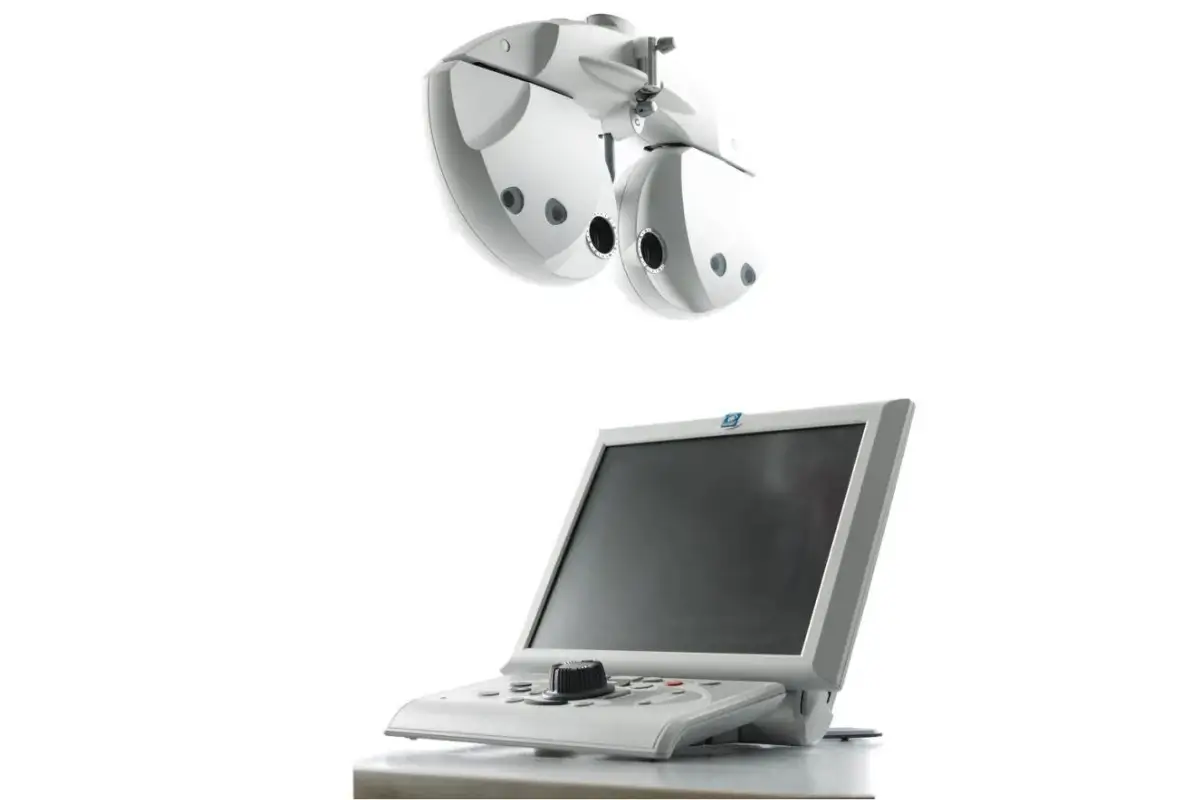
Sau khi xác định độ mắt, mặt nạ thử thị lực Nidek Phoropter hiện đại nhất RT6100 giúp đo lường toàn diện bao gồm cả thị lực nhìn xa, gần, khả năng điều tiết,… Kết quả đo bằng máy Nidek Phoropter là cơ sở quan trọng giúp chuyên viên đưa ra chẩn đoán chính xác về tình trạng thị lực và đưa ra phác đồ điều trị phù hợp. Tại Kính Mắt Điện Biên Phủ , kỹ thuật viên sẽ thiết lập các thấu kính khác nhau để tìm ra tầm nhìn chuẩn và độ lệch lớn nhất giữa hai mắt, đồng thời thiết lập các thông số quan trọng để thực hiện các bước đo mắt tiếp theo.
Giai đoạn này bao gồm các bước xác định trục, độ loạn để cải thiện thị lực tối ưu và giảm mỏi mắt, đau đầu khi điều tiết quá mức. Từ bước 7 là quá trình đo mắt cũng sẽ dựa vào hệ thống này để bắt đầu kiểm tra loạn thị và xem xét độ cầu tối ưu sau khi tinh chỉnh nhằm đảm bảo khách hàng nhận được đơn kính với thông số khúc xạ đúng nhất.
Đo độ cầu tối ưu mắt trái sau đó tiến hành tinh chỉnh loạn thị và trục loạn thị tương tự như mắt Phải
Cân bằng thị lực 2 mắt giúp ngăn ngừa lé mắt đối với tình trạng lệch khúc xạ (VD: Mắt phải cận 3 độ, mắt trái cận 1 độ). Cân bằng thị lực sớm bằng việc đeo kính phù hợp sẽ giúp mắt đảm bảo thị lực và phát triển ổn định hơn đối với trẻ em. Tương tự bước 8, kỹ thuật viên sẽ đánh giá thị lực mắt bằng máy đo tự động nhằm tối ưu tầm nhìn của khách hàng một cách tốt nhất.
Đo độ nhìn gần cộng thêm giúp tối ưu nhiều vùng nhìn, mang đến trải nghiệm đeo kính tốt nhất cho mọi hoạt động sinh hoạt. Đây là bước dành cho khách hàng đang có vấn đề về nhìn gần như đọc sách, báo mờ nhòe, không thấy rõ….
Sau khi xác định số độ hiện tại, khách hàng sẽ đeo thử kính đã được lắp tròng phù hợp để kiểm tra thực tế nhìn xa. Nếu tình trạng chóng mặt, choáng xảy ra sẽ được tối ưu lại với tầm nhìn ổn định nhất. Đây là bước cuối của quy trình đo mắt cận giúp chuyên viên đánh giá toàn diện kết quả đo kính cận.
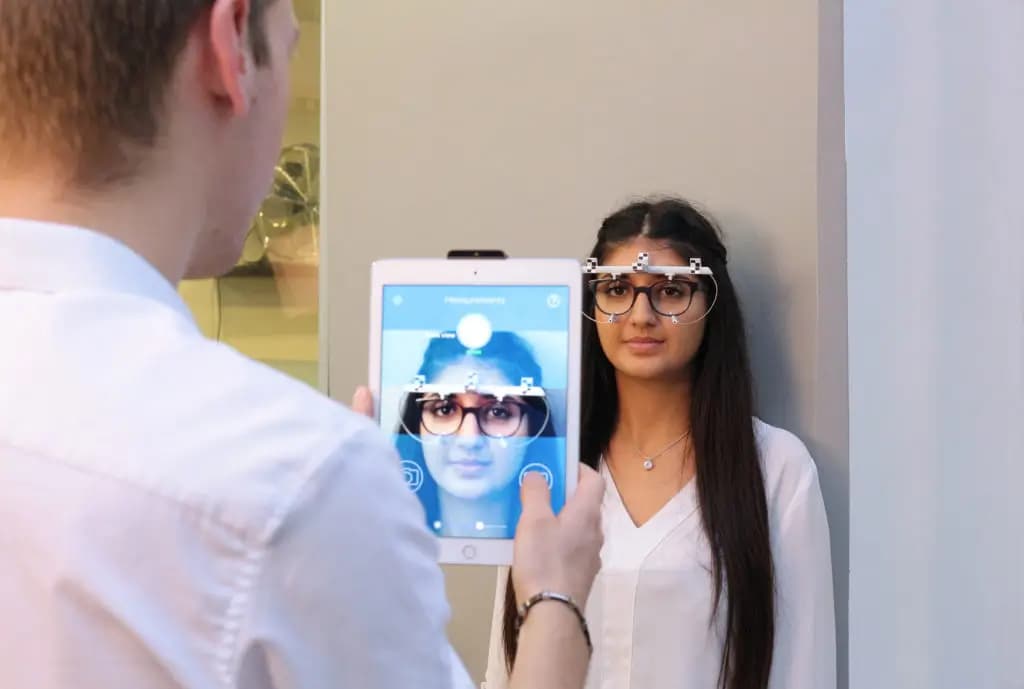
Eyeruler-2 (Essilor): Thiết bị đo thông số hiện đại và toàn diện, có khả năng cho kết quả hoàn chỉnh với mọi thông số FIT cho kính đơn tròng/đa tròng Thiết bị này cho chúng ta các thông số cụ thể của mắt như: - PD: Khoảng cách đồng tử - FH: Khoảng cách từ tâm mắt đến đầu thấp nhất của gọng - Vertex: Khoảng cách từ mắt sau tròng kính đến bề mặt võng mạc - Pantoscopic: Góc nghiêng đứng - Wrap Angle: Góc nghiêng ngang - DBL: Khoảng cách cầu mũi - ELD: Khoảng cách từ đồng tử đến mắt sau trong kính
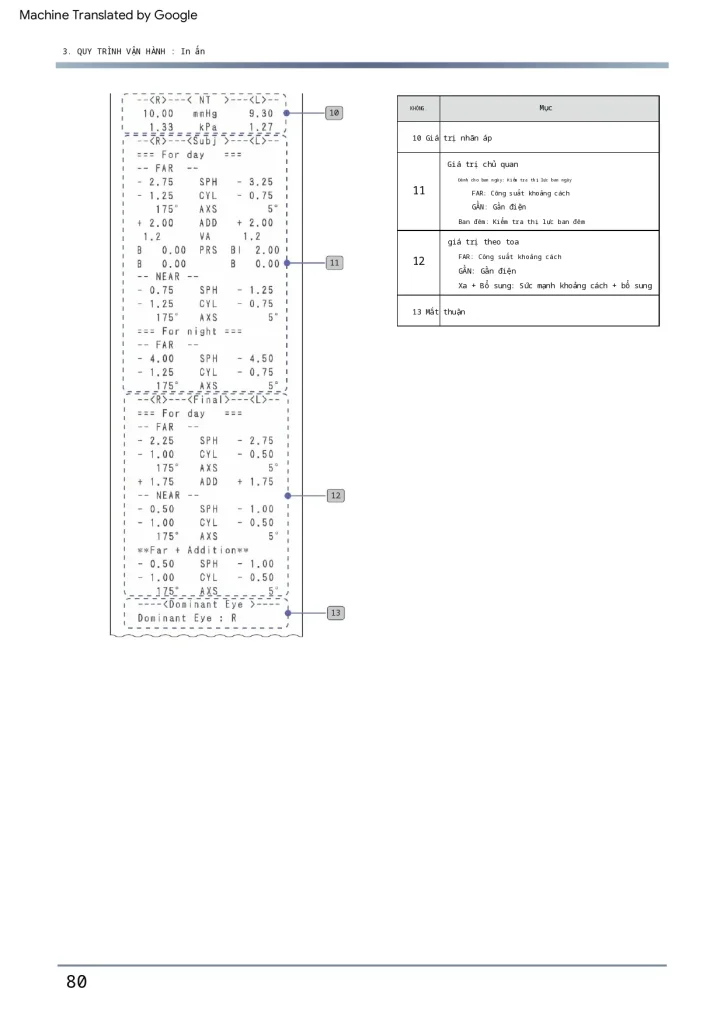
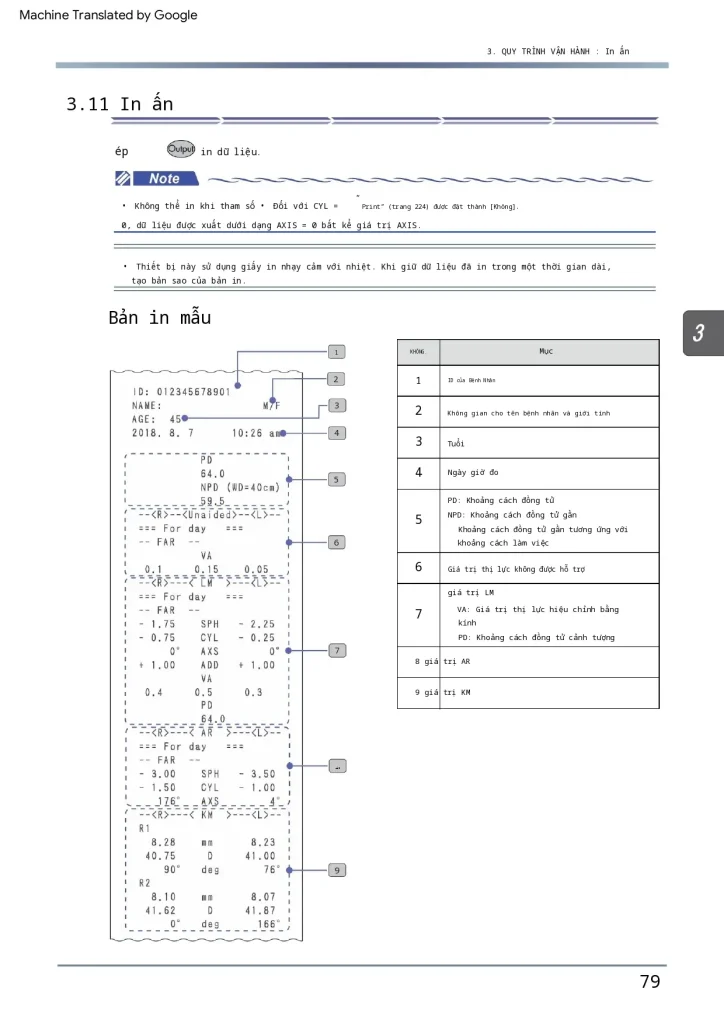
Chỉ cần thuộc làu công thức này, bất kì khi nào bạn cũng có thể đọc được phiếu đo mắt của mình và cả người khác. Ví dụ như:
- Thông số trên tờ khám mắt số 1 bác sĩ ghi: O.D: – 2.5 = 10/10. Tức là mắt phải cận thị 2.5 độ, thị lực sau khi điều chỉnh là 10/10.
- Hay tờ khám mắt khác bạn nhận được là: R: +3 - 0.25 X 180° = 10/10. Đồng nghĩa với việc mắt phải của bạn bị viễn thị 3 độ, loạn thị 0.25 độ, trục là 180°, thị lực sau khi điều chỉnh là 10/10. Độ cầu hay độ loạn có thể thay đổi nhưng trục là cố định.
SPH, CYL, AXIS: đọc theo chuẩn âm / dương từng nơi in
ADD chỉ có khi đo cho nhìn gần / đa tròng
PD / KCĐT: một số phiếu chỉ ghi tổng, một sơ ghi monocular
Phiếu chỉ có kính thử (kính lỗi)
Máy RT-6100 và vai trò thử kính chủ quan
Khi nào không tự đọc phiếu để tự điều chỉnh?
Biểu đồ thị lực và mắt “cận giả”
So phiếu với kính đã lắp
Đọc thêm & liên kết
Liên kết
Để lại bình luận
Lưu ý: Bình luận của bạn sẽ được kiểm duyệt trước khi hiển thị. Vui lòng giữ nội dung lịch sự và phù hợp.