
Hướng dẫn sử dụng kính đa tròng cho người mới
Những người cần chuyển sang đeo kính đa tiêu khi có tuổi nhận thấy rằng việc đeo kính mới không dễ dàng như vậy. Nếu bạn đang dự định mua kính đa tiêu hoặc mới…

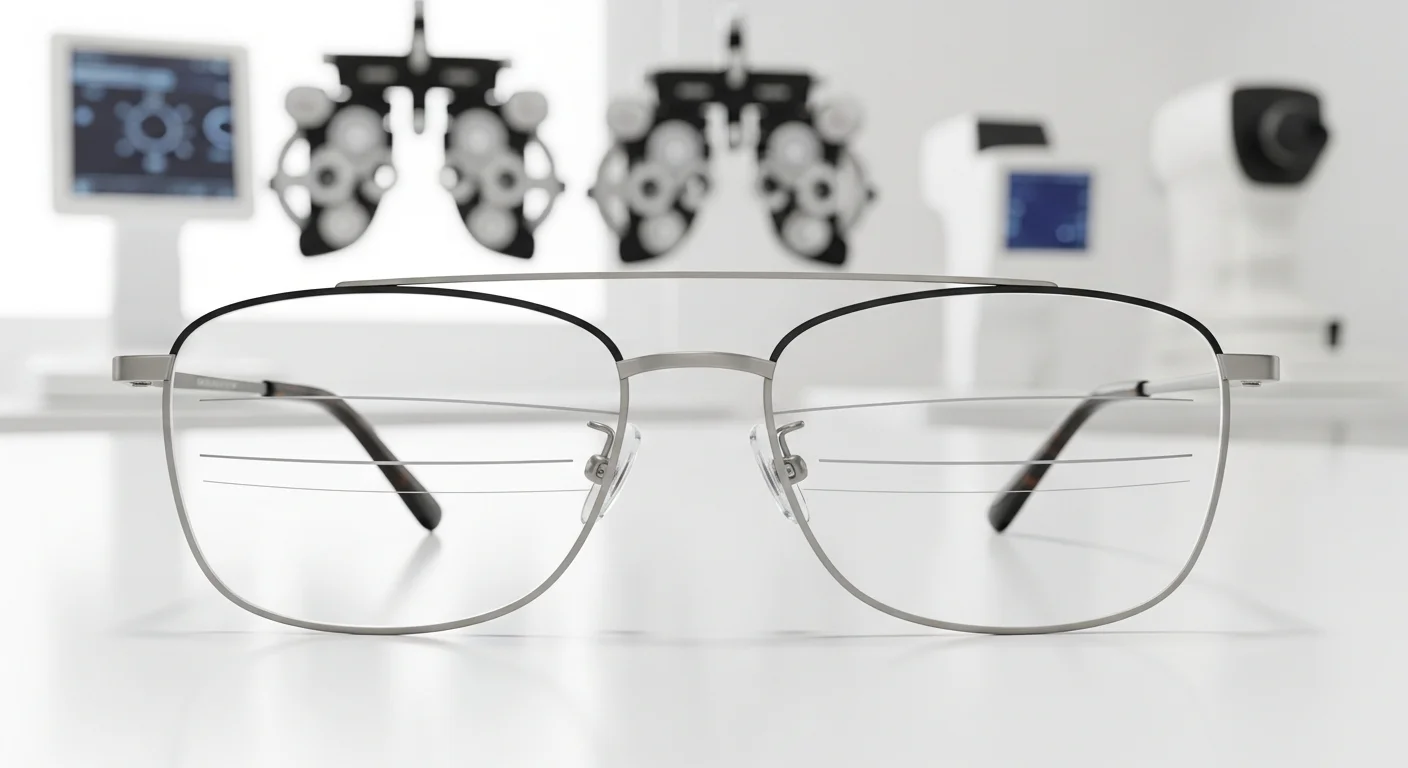
Những người cần chuyển sang đeo kính đa tiêu khi có tuổi nhận thấy rằng việc đeo kính mới không dễ dàng như vậy. Nếu bạn đang dự định mua kính đa tiêu hoặc mới bắt đầu sử dụng chúng, đây là hướng dẫn nhanh về cách điều chỉnh cho phù hợp với kính đa tiêu.

Các loại thấu kính đa tiêu cự khác nhau
Hầu hết mọi người đều quen thuộc với thấu kính hai tròng, loại kính này đã có từ những năm 1700 và được cho là do Benjamin Franklin phát minh ra. Thấu kính hai tròng được làm từ hai mảnh giúp điều chỉnh tầm nhìn xa và tầm nhìn gần. Kính ba tiêu được phát minh sau đó một thế kỷ và được làm từ ba mảnh giúp điều chỉnh tầm nhìn xa, tầm nhìn trung gian (hoặc chiều dài cánh tay) và tầm nhìn gần. Kính hai tròng và kính ba tròng được làm từ các mảnh thủy tinh riêng biệt và có các đường nhìn rõ ràng trên tròng kính.
Thấu kính đa tiêu là một lựa chọn thay thế tuyệt vời cho những người thấy thấu kính hai tiêu hoặc ba tiêu không thoải mái hoặc không hấp dẫn về mặt thị giác. Chúng có sự thay đổi dần dần về công suất trong một thấu kính duy nhất và thường mỏng hơn và nhẹ hơn các loại kính đa tiêu cự khác. Kính áp tròng đa tiêu được sản xuất bằng quy trình tương tự như kính đa tròng.
Sử dụng mũi làm con trỏ để nhìn thẳng vào vật thể, sau đó di chuyển cằm lên xuống cho đến khi vật thể được lấy nét. Điều này sẽ mang lại công suất quang chính xác ngay trước mắt bạn để mang lại cho bạn tầm nhìn rõ ràng nhất. Hãy nhớ rằng nửa trên của ống kính có khả năng đo khoảng cách và nửa dưới có khả năng đọc.
Phần dưới cùng của ống kính được sử dụng cho các hoạt động cận cảnh như đọc sách, vì vậy mẹo ở đây là nâng cằm của bạn lên cho đến khi bạn nhìn qua phần dưới của ống kính. Sử dụng mũi của bạn làm con trỏ và hơi quay đầu lại khi bạn làm theo các từ trên trang từ trái sang phải. Làm theo lời nói bằng cách di chuyển đầu thay vì mắt sẽ làm sáng tỏ mọi thứ cho bạn.
Nhiều người đeo kính đa tiêu lần đầu tiên hoặc khi họ nhận được đơn thuốc mới, nhận thấy rằng mặt đất hoặc cầu thang có thể bị mất nét. Điều này thường là do khi bạn nhìn xuống, mắt bạn sẽ nhìn qua phần dưới cùng của thấu kính được thiết kế để nhìn cận cảnh. Đơn giản chỉ cần hạ cằm xuống cho đến khi mặt đất được lấy nét. Hành động này sẽ nhanh chóng trở thành bản chất thứ hai
Thấu kính đa tiêu cự được thiết kế cho tư thế thông thường của bạn, điều đó có nghĩa là tầm nhìn của bạn có thể bị ảnh hưởng nếu bạn nằm hoặc ở tư thế nghiêng. Điều này xảy ra vì tầm nhìn của bạn không đi qua khu vực trung tâm của ống kính.
Trong vài ngày đầu tiên, nếu bạn cảm thấy không thoải mái khi đeo kính khi lái xe, bạn có thể chuyển về cặp kính cũ nhưng kiên trì với cặp kính mới là cách tốt nhất để làm quen với thiết kế tròng kính đa tiêu cự mới của bạn.
Lời khuyên khi đeo kính đa tiêu
-
Khi đọc bằng kính đa tiêu, hãy nhớ nâng cằm và hạ mắt xuống để đọc văn bản
-
Cẩn thận khi đi lên cầu thang hoặc bậc thang - cúi đầu xuống để đảm bảo bạn đang nhìn qua phần trên của kính để có thể nhìn rõ
-
Nếu bạn đã quen với việc sử dụng kính đọc sách riêng biệt, bạn có thể nhận thấy rằng diện tích đọc sách giảm đi một chút vì những tròng kính này kết hợp khoảng cách của bạn và quy định đọc sách
-
Hãy nhớ đeo kính đa tiêu hàng ngày, từ sáng đến tối, để bạn có thể quen với cách chúng hoạt động
-
Nếu bạn làm việc trên máy tính, hãy điều chỉnh độ cao màn hình thấp hơn tầm mắt một chút
-
Hãy nhớ di chuyển đầu của bạn khi nhìn xung quanh chứ không phải mắt - tầm nhìn rõ ràng nhất của bạn sẽ qua trung tâm của ống kính. Việc này có thể mất một chút thời gian để làm quen, vì vậy hãy kiên nhẫn với chính mình!
-
Tại cuộc hẹn với bộ sưu tập của bạn, chúng tôi sẽ điều chỉnh gọng kính vừa khít với khuôn mặt của bạn một cách hoàn hảo để tối ưu hóa tầm nhìn của bạn và giúp bạn thành công với tròng kính mới của mình
-
Hãy quay lại và gặp chúng tôi bất cứ lúc nào nếu bạn cho rằng mình cần điều chỉnh hoặc nếu bạn có bất kỳ mối lo ngại nào
Câu hỏi thường gặp về kính đa tròng ?
BẠN CÓ BIẾT KHÔNG?
Đôi mắt của bạn thực hiện hơn 100.000 chuyển động mỗi ngày 8
Trong thế giới kết nối kỹ thuật số ngày nay, đôi mắt của chúng ta đang làm việc để xử lý thông tin hơn bao giờ hết, di chuyển hơn 100.000 lần mỗi ngày – liên tục chuyển đổi và kiểm tra trong khi chúng ta đang di chuyển.
Đeo kính đa tròng có đau đầu không?
Sử dụng các sản phẩm kính đa tròng không gây cảm giác nhức đầu. Tình trạng nhức đầu hay chóng mặt nếu có chỉ xảy ra trong thời gian đầu khi làm quen với kính (khoảng 1 tuần).
Mất bao lâu để thích ứng được được với kính đa tròng?
Sau khoảng 1 tuần, mắt sẽ dần làm quen và thích nghi với kính đa tròng.
Kính đa tròng có đổi màu ngoài trời nắng không?
Hiện nay, có rất nhiều sản phẩm kính đa tròng có khả năng đổi màu thành kính râm khi ra ngoài trời nắng và khi trong nhà, kính sẽ trở lại trong suốt.
Có cần đeo kính đa tròng cả ngày không?
Bạn không nhất thiết phải đeo kính đa tròng cả ngày mà có thể tháo ra trong ngày hoặc đeo khi cần sử dụng đều được.
Để lại bình luận
Lưu ý: Bình luận của bạn sẽ được kiểm duyệt trước khi hiển thị. Vui lòng giữ nội dung lịch sự và phù hợp.