
Tròng kính có độ phân giải cao và quang sai bậc cao HOA
Bạn có thị lực 20/20 khi đeo kính nhưng vẫn cảm thấy không hài lòng với cách nhìn của mình? Bạn có thể được hưởng lợi từ ống kính độ nét cao. Đôi khi, quang sai…

Bạn có thị lực 20/20 khi đeo kính nhưng vẫn cảm thấy không hài lòng với cách nhìn của mình? Bạn có thể được hưởng lợi từ ống kính độ nét cao.
Đôi khi, quang sai bậc cao có thể ảnh hưởng đến thị lực của bạn, ngay cả khi kính đeo mắt của bạn có tác dụng điều chỉnh hoàn toàn chứng cận thị , viễn thị và / hoặc loạn thị của bạn . Những quang sai này có thể là do đặc điểm quang học của mắt bạn hoặc có thể do những hạn chế quang học của ống kính thông thường gây ra.
Nhưng có một tin tốt! Những tiến bộ gần đây trong sản xuất thấu kính đã tạo ra những thấu kính mắt kính có độ phân giải cao mới có thể khắc phục những quang sai này, có khả năng mang lại cho bạn tầm nhìn sắc nét hơn những gì bạn từng có với kính đeo mắt trước đây . Các thấu kính này được thiết kế để mang lại tầm nhìn sắc nét hơn trong mọi điều kiện ánh sáng và giảm độ chói khi lái xe vào ban đêm và các nhiệm vụ nhìn ban đêm khác .
Nhiều thương hiệu kính mắt độ nét cao hiện đang có sẵn, bao gồm các phiên bản độ nét cao của thấu kính chỉ số cao , thấu kính lũy tiến và thấu kính quang sắc .
Hãy nhớ rằng để có được tầm nhìn và sự thoải mái tốt nhất, tất cả các thấu kính độ nét cao phải có lớp phủ chống phản xạ (AR) để loại bỏ phản xạ gây mất tập
trung.
Ống kính dạng tự do
Loại tròng kính có độ phân giải cao phổ biến nhất được gọi là tròng kính dạng tự do. Thuật ngữ “dạng tự do” đề cập đến quy trình sản xuất tiên tiến giúp giảm quang sai bậc cao như quang sai cầu xảy ra trong thấu kính mắt kính được tạo ra bằng các công cụ và quy trình sản xuất thấu kính mắt kính truyền thống.
Các thấu kính độ nét cao được thiết kế để mang lại tầm nhìn sắc nét hơn trong mọi điều kiện và giảm độ chói khi lái xe vào ban đêm.
Với thấu kính dạng tự do (còn được gọi là thấu kính độ nét cao kỹ thuật số), việc chế tạo thấu kính từ toa kính của người đeo được tối ưu hóa với thiết bị tạo bề mặt được điều khiển bằng máy tính, chính xác hơn nhiều so với các công cụ thông thường.
Trên thực tế, công nghệ dạng tự do có thể tạo bề mặt thấu kính với mức tăng công suất là 0,01 diop (D), so với mức tăng 0,125 đến 0,25 D của dụng cụ thấu kính mắt kính thông thường.
Việc chế tạo một số thấu kính dạng tự do, kỹ thuật số cũng tính đến cách đặt thấu kính trước mắt người đeo khi ở trong gọng kính, để cung cấp công suất thấu kính chính xác nhất và tầm nhìn sắc nét nhất có thể.
Các yếu tố khác có thể được xem xét trong quá trình tùy chỉnh ống kính bao gồm góc giữa mắt và bề mặt sau của ống kính ở các vị trí nhìn khác nhau (ví dụ: khi người đeo nhìn sang một bên thay vì nhìn thẳng qua tâm ống kính ), kích thước khung và vị trí của đồng tử người đeo trong đường viền khung.
Với những yếu tố này và có thể là các yếu tố khác được tính đến trong quá trình thiết kế và chế tạo thấu kính, thấu kính mắt kính độ nét cao cung cấp mức độ tùy chỉnh chưa từng có và có thể giảm hoặc loại bỏ một số quang sai bậc cao nhất định.
Các bề mặt được chế tạo chính xác và cá nhân hóa của thấu kính độ nét cao có thể giúp giảm quang sai hạn chế trường nhìn và gây ra hiện tượng phát sáng sao , quầng sáng và biến dạng hình sao chổi của đèn vào ban đêm .
Kết quả là ống kính độ nét cao có thể cung cấp chất lượng hình ảnh sắc nét hơn, tầm nhìn ngoại vi tốt hơn, độ nhạy tương phản được cải thiện và ít chói hơn vào ban đêm.
Các loại kính cận độ phân giải cao có tầm nhìn đơn phổ biến bao gồm:
Essilor Prencia DS (Essilor của pháp)
Hoya NuLux EP (Hoya Vision Care)
Shamir Autograph II SV (Shamir Insight)
Cá nhân Clarlet (Carl Zeiss Vision)
kodak 1.6 blue uv /san-pham/trong-kinh-mong-chong-anh-sang-xanh-my-kodak-uvblue-lens-1-60-chinh-hang
Các ống kính có độ nét cao phổ biến để điều chỉnh tật viễn thị bao gồm:
Hoyalux iD MyStyle (Hoya Vision Care)
Seiko Supercede (Sản phẩm quang học của Seiko của Mỹ)
Shamir Autograph II (Shamir Insight)
Varilux Physio DRx (Essilor của Mỹ)
HDV của Sola (Carl Zeiss Vision)
Zeiss Progressive Individual 2 (Carl Zeiss Vision)
Bởi vì việc tạo thấu kính có độ nét cao yêu cầu thêm thông tin ngoài những gì được ghi trên đơn thuốc đeo kính của bạn, bác sĩ nhãn khoa của bạn thường sẽ thực hiện các phép đo bổ sung khi bạn chọn gọng kính cho mình .
Đôi khi, một thiết bị đo độc quyền được sử dụng để lắp và chế tạo một thương hiệu cụ thể của ống kính có độ phân giải cao, dạng tự do.
Một ví dụ là Zeiss i.Terminal 2, một hệ thống chụp ảnh tự động đo một số thông số phù hợp – bao gồm khoảng cách giữa đồng tử của người đeo (PD), chiều cao phù hợp, độ nghiêng của khung (góc ống kính) và khoảng cách giữa mặt sau của thấu kính và mặt trước của mắt (khoảng cách đỉnh sau) – để tối ưu hóa hiệu suất của nhãn hiệu thấu kính độ nét cao tùy chỉnh của Carl Zeiss Vision.
Một ví dụ khác là hệ thống Visioffice 2 của Essilor. Theo công ty, thiết bị đo lường bệnh nhân 3D thế hệ thứ hai này cung cấp cho các chuyên gia chăm sóc mắt một cách chính xác, chính xác và nhất quán để kê đơn và lắp ống kính có độ phân giải cao được cá nhân hóa cho nhu cầu thị giác cụ thể và lựa chọn khung của mỗi bệnh nhân. Visioffice 2 cũng có mô-đun chọn khung cho phép bệnh nhân dễ dàng so sánh vẻ ngoài của họ khi đeo lên đến tám kiểu khung khác nhau.
Ống kính mặt sóng
Một số nhà sản xuất ống kính đã giới thiệu một loại ống kính mắt kính có độ nét cao được tùy chỉnh hơn nữa được gọi là ống kính mặt sóng.
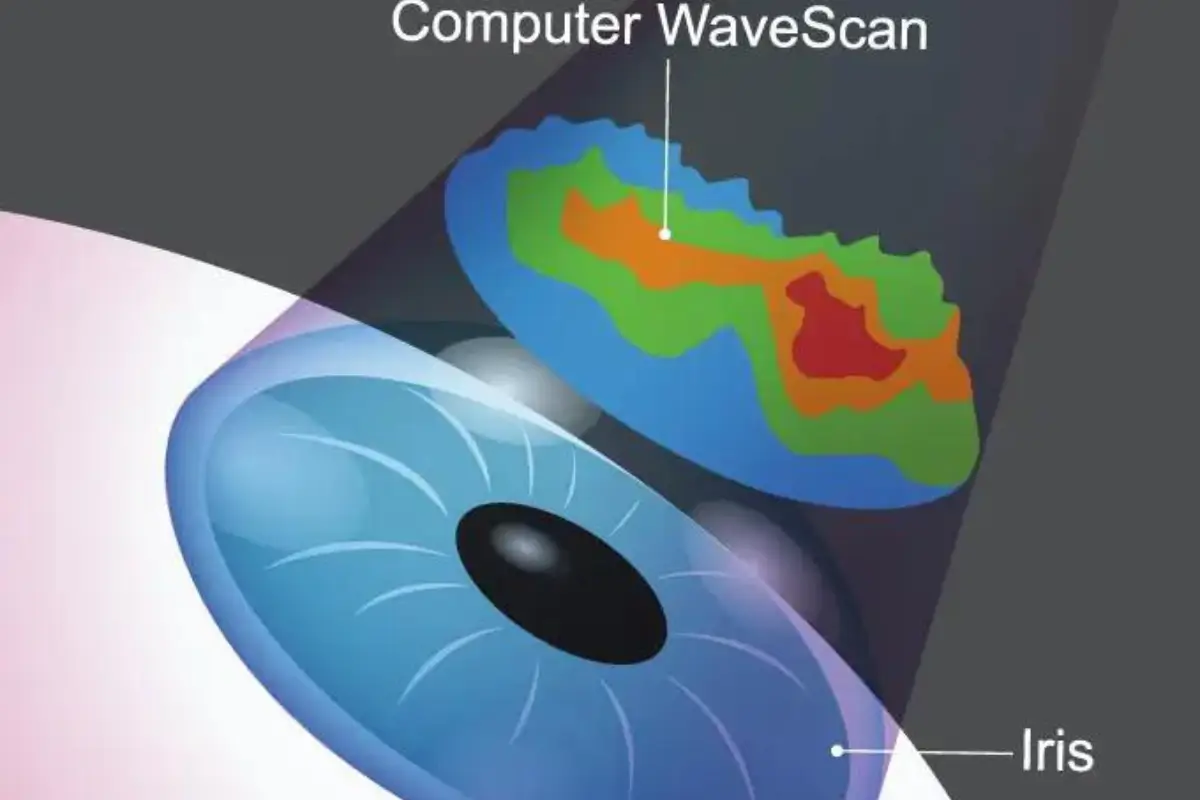
Thấu kính mặt sóng được tạo ra với sự trợ giúp của cùng một công nghệ tinh vi được sử dụng để đo quang học của mắt trước khi phẫu thuật mắt LASIK hướng sóng tùy chỉnh : Một thiết bị máy tính chiếu các sóng ánh sáng đồng đều vào mắt, phản xạ ra khỏi võng mạc và trở lại “mặt sóng” của ánh sáng được phân tích để đánh giá tất cả các khuyết tật quang học – không chỉ các tật khúc xạ mà còn cả quang sai bậc cao.
Trong LASIK tùy chỉnh , các phép đo mặt sóng này được sử dụng để lập trình laser excimer để định hình lại bề mặt phía trước của mắt. Trong thấu kính mắt kính dạng sóng, các phép đo thúc đẩy quá trình sản xuất được điều khiển bằng máy tính để tạo ra các thấu kính có độ nét cao, tùy chỉnh.
Thương hiệu mắt kính dạng sóng đầu tiên được giới thiệu tại Hoa Kỳ là iZon High Resolution Lenses, được sản xuất bởi Ophthonix.
Theo trang web của công ty, trong các bài kiểm tra lái xe mô phỏng vào ban đêm (55 dặm / giờ trong điều kiện ánh sáng chói), các đối tượng đeo Ống kính độ phân giải cao iZon có thể phát hiện, nhận ra và phản ứng với người đi bộ đi dọc đường sớm hơn trung bình 20 feet so với người lái xe đeo kính thông thường. tròng kính cận.
Bên cạnh việc cải thiện tầm nhìn ban đêm, thấu kính iZon cũng giúp điều chỉnh các vấn đề về thị lực kéo dài sau LASIK và các phẫu thuật mắt khúc xạ khác, công ty cho biết.
Nhưng chỉ có một số hạn chế các bác sĩ đo mắt và bác sĩ nhãn khoa kê đơn ống kính mặt sóng iZon, và vào tháng 10 năm 2012, Ophthonix thông báo ngừng hoạt động sau 11 năm kinh doanh.
Vào năm 2011, Carl Zeiss Vision đã giới thiệu một thương hiệu ống kính độ nét cao mặt sóng tại Hoa Kỳ có tên là i.Scription by Zeiss. Giống như thấu kính iZon, thấu kính i.Scription by Zeiss được thiết kế để điều chỉnh quang sai bậc cao và mang lại tầm nhìn sắc nét hơn so với thấu kính kính thông thường.
Theo công ty, ống kính i.Scription by Zeiss cũng giúp người đeo nhìn rõ hơn trong điều kiện ánh sáng yếu và cải thiện độ tương phản cũng như tầm nhìn màu sắc.
Để tạo ra thấu kính đầu sóng i.Scription by Zeiss, các phép đo mắt của bạn được thực hiện bởi chuyên gia chăm sóc mắt của bạn với i.Profiler Plus độc quyền của công ty – một thiết bị tự động ba trong một đo tật khúc xạ, địa hình giác mạc , v.v. sai lệch trật tự. Dữ liệu mặt sóng do i.Profiler Plus thu thập sau đó được gửi đến phòng thí nghiệm quang học của Zeiss để chế tạo ống kính độ nét cao tùy chỉnh.
Bạn có phải là ứng cử viên cho ống kính độ nét cao?
Hầu như bất kỳ ai đeo kính cận đều là ứng cử viên sáng giá cho loại kính có độ phân giải cao , nhưng những người có đơn thuốc đeo kính cao hơn có thể nhận thấy những lợi ích lớn hơn so với những người chỉ có đơn thuốc nhẹ.
Có lẽ một trong những chỉ số tốt nhất cho thấy mắt kính có độ phân giải cao có thể là lựa chọn tốt cho bạn là nếu bác sĩ đo thị lực hoặc bác sĩ nhãn khoa của bạn cho biết bạn có đôi mắt khỏe mạnh và thị lực 20/20, nhưng bạn bị chói mắt hoặc tầm nhìn của bạn dường như không rõ ràng.
Nếu bạn không hài lòng với độ rõ của thị lực khi đeo kính hiện tại, hãy hỏi chuyên gia chăm sóc mắt của bạn xem liệu kính có độ phân giải cao có thể mang lại thị lực sắc nét hơn hay không.
Chi phí của ống kính độ nét cao
Do công nghệ phức tạp được sử dụng để thiết kế và chế tạo các thấu kính dạng tự do và dạng sóng cũng như thời gian và thiết bị bổ sung cần thiết để lắp chúng, bạn sẽ phải trả nhiều hơn tới 25 đến 30% cho thấu kính có độ phân giải cao, so với các thấu kính thông thường của cùng chất liệu và kiểu dáng.
Mặc dù thấu kính độ nét cao có giá cao hơn thấu kính mắt kính thông thường, nhưng nhiều người đã dùng thử chúng – đặc biệt là những người đeo kính đã từng thất vọng vì thị lực không rõ nét khi đeo kính trước đây – nhận thấy thấu kính dạng tự do và dạng sóng tạo ra sự cải thiện đáng kể về độ rõ nét và sự thoải mái.
[Để biết tin tức mới nhất về ống kính độ nét cao và các loại ống kính mắt kính khác, hãy xem Có gì mới trong Ống kính đeo mắt .]
Để lại bình luận
Lưu ý: Bình luận của bạn sẽ được kiểm duyệt trước khi hiển thị. Vui lòng giữ nội dung lịch sự và phù hợp.