
Loạn thị
Loạn thị không phải là một căn bệnh; nó chỉ đơn giản là một loại tật khúc xạ hoặc tình trạng thị lực, gây ra tình trạng nhìn mờ, nhòe hoặc méo mó. Loạn thị là…

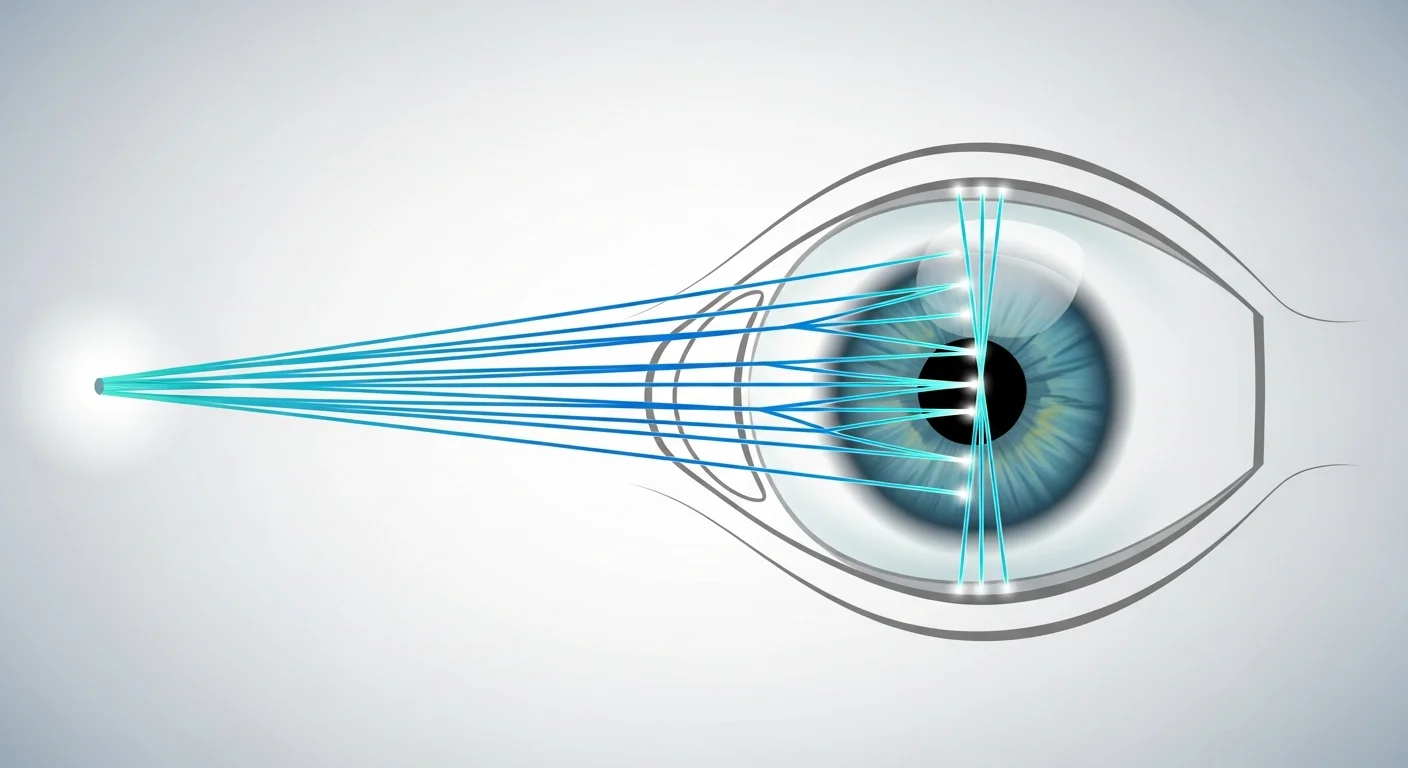
Loạn thị không phải là một căn bệnh; nó chỉ đơn giản là một loại tật khúc xạ hoặc tình trạng thị lực, gây ra tình trạng nhìn mờ, nhòe hoặc méo mó.
Nguyên nhân nào gây ra loạn thị?
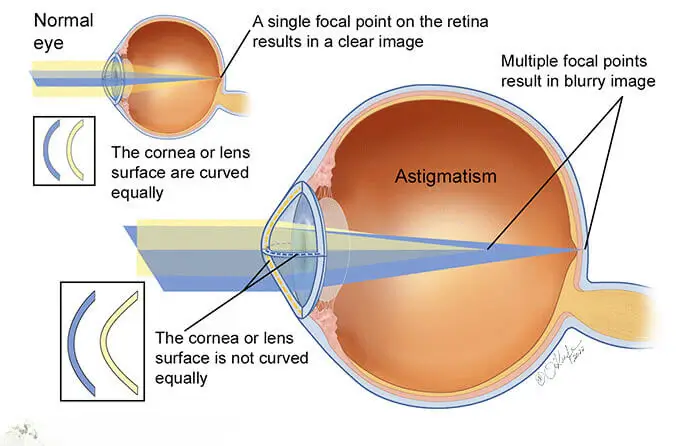
Loạn thị là tình trạng gây ra bởi những khiếm khuyết nhỏ trong cách mắt bạn bẻ cong ánh sáng ( một quá trình gọi là khúc xạ ) đi qua võng mạc, vùng nhạy cảm với ánh sáng ở phía sau nhãn cầu. Dây thần kinh thị giác truyền xung thần kinh từ võng mạc đến não, nơi chuyển chúng thành thị lực.
Nếu thị lực của bạn hoạt động bình thường, giác mạc và thấu kính phía sau nó sẽ khúc xạ ánh sáng vào võng mạc. Than ôi, sự không hoàn hảo trong độ cong của giác mạc hoặc thấu kính (hoặc cả hai) có thể ngăn cản hình ảnh hội tụ đúng cách trên võng mạc. Bộ não nhận thức những sự cố về mắt này là hình ảnh không rõ ràng hoặc bị bóp méo.
Minh họa bởi 529
Giác mạc của bạn là một mái vòm trong suốt bao phủ bề mặt phía trước của mắt. Nó cong giống như thấu kính trên kính thiên văn hoặc máy ảnh. Giác mạc cong hoàn hảo và thấu kính tự nhiên sẽ tập trung tín hiệu ánh sáng vào võng mạc để tạo ra tầm nhìn rõ nét trong não.
Thật không may, giác mạc và thấu kính có thể có đường cong không hoàn hảo, cản trở sự khúc xạ, tạo ra thị lực mờ hoặc méo mó mà chúng ta gọi là loạn thị. Các khiếm khuyết ở các cấu trúc khác trong mắt cũng có thể góp phần gây ra loạn thị.
Các triệu chứng của loạn thị
Các dấu hiệu và triệu chứng phổ biến của loạn thị bao gồm:
-
Nheo mắt
-
Nhìn mờ hoặc méo mó ở mọi khoảng cách
-
Tầm nhìn ban đêm kém
-
Nhìn đôi ở một hoặc cả hai mắt
-
mỏi mắt
-
Đau đầu
Chẩn đoán
Trong quá trình kiểm tra thị lực, bác sĩ nhãn khoa sẽ quét nhãn cầu của bạn để đo toàn bộ bề mặt của nó theo ba chiều. Các phần của mắt được gọi là kinh tuyến giúp bác sĩ nhãn khoa của bạn xác định các điểm cao và thấp trên giác mạc gây ra loạn thị. Một phép đo được gọi là điốp ước tính mức độ khúc xạ xảy ra ở mỗi kinh tuyến.
Kinh tuyến của mắt trông giống như mặt đồng hồ truyền thống. Ví dụ, một kinh tuyến là đường nối 6 (dưới) với 12 (trên). Một kinh tuyến khác là đường nối từ 9 (trái) đến 3 (phải).
Bác sĩ nhãn khoa đánh giá sự khác biệt giữa các kinh mạch của mắt để xác định đơn thuốc phù hợp giúp tạo ra thị lực rõ ràng. Các xét nghiệm như soi võng mạc bao gồm chiếu đèn vào mắt bạn trong khi bạn nhìn qua các thấu kính khác nhau cho đến khi bác sĩ tìm thấy thấu kính giúp bạn nhìn rõ nhất.
Đọc thêm: Kiểm tra loạn thị
Loạn thị ở trẻ em
Trẻ sơ sinh thường bị loạn thị khi sinh ra, mặc dù tình trạng này thường sẽ hết trong năm đầu tiên. Rất ít trẻ biểu hiện dấu hiệu loạn thị khi được 5 đến 9 tuổi.
Tuy nhiên, một số trẻ không thể khắc phục tình trạng loạn thị khi lớn lên và tình trạng loạn thị không được điều chỉnh có thể ảnh hưởng tiêu cực đến việc học tập và phát triển.
Vì vậy, điều quan trọng là phải lên lịch khám mắt thường xuyên cho trẻ em để phát hiện chứng loạn thị và/hoặc các tật khúc xạ khác chưa được điều chỉnh.
Đọc thêm: Loạn thị ở trẻ em
Các loại loạn thị
Loạn thị có ba phân loại chính, được xác định bởi kinh tuyến chính (kinh tuyến dốc nhất và phẳng nhất của mắt).
-
Loạn thị cận thị: Kinh tuyến chính của mắt là cận thị (cận thị + loạn thị).
-
Loạn thị viễn thị: Kinh tuyến chính là viễn thị (viễn thị + loạn thị).
-
Loạn thị hỗn hợp: Kinh tuyến chính vừa gần vừa xa (loạn thị là tật khúc xạ chính).
Bạn cũng có thể thấy loạn thị được mô tả như sau:
-
Giác mạc: Khuyết tật ở giác mạc.
-
Thấu kính: Khuyết tật ở thấu kính của mắt.
-
Đều: Các kinh tuyến chính vuông góc với nhau (cách nhau 90 độ).
-
Không đều: Kinh tuyến chính không vuông góc (đôi khi do chấn thương và sẹo giác mạc). Keratoconus , tình trạng giác mạc mỏng đi trong thời gian dài và một số dạng phẫu thuật mắt cũng có thể gây loạn thị không đều.
Điều trị loạn thị
Kính mắt, kính áp tròng và một số phẫu thuật mắt như LASIK có thể điều chỉnh chứng loạn thị.
Kính mắt
Tròng kính theo toa điều chỉnh các lỗi khúc xạ ở giác mạc và thủy tinh thể của mắt. Theo Học viện Nhãn khoa Hoa Kỳ , loạn thị thông thường có thể điều chỉnh được đến 20/20 , mặc dù loạn thị có thể quá nghiêm trọng để điều chỉnh thị lực về mức bình thường. Loạn thị không đều thường không thể điều chỉnh được đến 20/20.
Kính áp tròng
Nhiều người chọn cách điều chỉnh chứng loạn thị của mình bằng kính áp tròng, có ba loại chính:
-
Toric . Những loại kính áp tròng mềm này có thể có nhiều mức độ khúc xạ khác nhau, phù hợp với từng kinh tuyến của mắt, cho phép điều chỉnh thị lực chính xác. Do thiết kế phức tạp, kính áp tròng toric cho chứng loạn thị thường đắt hơn các loại khác.
-
Thấm khí. Những thấu kính cứng này có hình dạng đồng nhất về cơ bản thay thế hiệu ứng khúc xạ của giác mạc. Chúng thường cung cấp tầm nhìn sắc nét hơn so với các thấu kính toric mềm hơn. Lưu ý rằng một số thấu kính thấm khí sử dụng thiết kế toric. Thấu kính thấm khí có thể không thoải mái bằng thấu kính toric ban đầu nhưng mang lại khả năng điều chỉnh thị lực và sự thoải mái tuyệt vời theo thời gian.
-
Hỗn hợp. Những loại tròng kính này cứng ở giữa để có độ rõ nét thị giác cao hơn nhưng mềm ở các cạnh để thoải mái hơn. Chúng thường cung cấp những điều tốt nhất của cả hai thế giới để điều chỉnh loạn thị bằng kính áp tròng. Các tròng kính hỗn hợp và thấm khí đòi hỏi nhiều thời gian và chuyên môn hơn để có được sự vừa vặn chính xác, vì vậy hãy cân nhắc yếu tố này khi quyết định mua hàng.
Đọc thêm:
-
Điều trị loạn thị
-
Bài tập cho mắt bị loạn thị
-
Kính áp tròng cho chứng loạn thị: kính áp tròng Toric, GP và hybrid
-
Kính áp tròng cho bệnh loạn thị: Hỏi & Đáp
-
Kính áp tròng hai tròng dành cho chứng loạn thị là gì?
-
Kính áp tròng màu cho chứng loạn thị
Phẫu thuật loạn thị
Các hoạt động định hình lại giác mạc và loại bỏ đục thủy tinh thể có thể điều chỉnh loạn thị. Ví dụ, phẫu thuật LASIK sử dụng tia laser có độ chính xác cao để làm cho giác mạc cân xứng hơn và có thể điều chỉnh loạn thị ở mức độ vừa phải vĩnh viễn.
Hơn nữa, bác sĩ phẫu thuật mắt có thể cấy ghép một thấu kính nội nhãn hình xuyến (IOL) vào mắt để điều chỉnh chứng loạn thị và loại bỏ đục thủy tinh thể cùng một lúc.
Lưu ý rằng IOL toric có thể đắt hơn đáng kể nếu bảo hiểm y tế của bạn không chi trả cho thủ thuật này. Phẫu thuật là vĩnh viễn, vì vậy bạn phải cân nhắc các rủi ro và đảm bảo bác sĩ chắc chắn rằng bạn là ứng cử viên phù hợp cho phẫu thuật này.
Tầm nhìn của mỗi người là khác nhau, nghĩa là mỗi dạng loạn thị đều có tác động riêng. Điều này nghĩa là bạn phải chú ý nhiều hơn đến độ vừa vặn và chức năng của kính mắt hoặc kính áp tròng. Và đừng vội phẫu thuật cho đến khi bạn đã nghiên cứu kỹ lưỡng về chủ đề này và thảo luận với bác sĩ nhãn khoa của mình.
Câu hỏi thường gặp
H: Loạn thị ảnh hưởng đến việc lái xe ban đêm như thế nào?
A: Lái xe ban đêm với chứng loạn thị không được điều chỉnh có thể là một nhiệm vụ khó khăn. Điều này là do chứng loạn thị khiến ánh sáng phân tán trong mắt thay vì tập trung vào một điểm duy nhất (võng mạc). Đèn đường và đèn giao thông có ánh sáng chói, quầng sáng hoặc vệt sáng gây mất tập trung đối với những người bị loạn thị. Điều này có thể có tác động tiêu cực đến việc lái xe ban đêm.
H: Có thể đeo kính áp tròng cho người bị loạn thị không?
A: Có, bạn có thể mua kính áp tròng cho chứng loạn thị. Có ba lựa chọn chính: Kính áp tròng mềm, kính thấm khí và kính lai. Mỗi loại kính có những lợi ích khác nhau, vì vậy tốt nhất bạn nên trao đổi với bác sĩ nhãn khoa để tìm ra loại kính áp tròng loạn thị nào phù hợp nhất với tình trạng của bạn.
H: Kính dành cho người loạn thị khác với các loại kính khác như thế nào?
A: Kính loạn thị khác với các loại kính khác ở chỗ chúng có thông số kỹ thuật bổ sung cho độ tròng kính. Cylinder (được liệt kê là CYL trên đơn thuốc đo thị lực) liệt kê liệu tròng kính có cần thêm độ tròng kính để điều chỉnh loạn thị hay không. Người bị loạn thị cũng sẽ có thông số kỹ thuật AXIS biểu thị độ xoay của hiệu chỉnh loạn thị. Người không bị loạn thị sẽ không có thông số kỹ thuật CYL hoặc AXIS.
Bác sĩ sẽ xem xét tất cả các phương án điều trị có sẵn với mục tiêu cải thiện thị lực rõ ràng, thoải mái và hiệu quả.
Để lại bình luận
Lưu ý: Bình luận của bạn sẽ được kiểm duyệt trước khi hiển thị. Vui lòng giữ nội dung lịch sự và phù hợp.